

False olive / Vals olyf

False olive / Vals olyf
If you want to attract butterflies, moths and birds to your garden the false olive is the way to go – not only does it provide food for wildlife it is also a sweetly scented and beautiful tree.
Botanical Name:
Buddleija saligna
Did you know?
False olive makes good fuel wood as it burns with an intense heat.
Related products
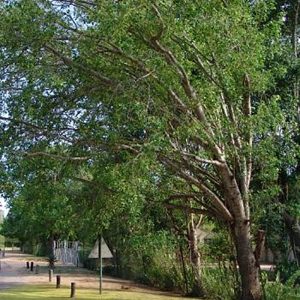
False marula / Vals maroela
False marula / Vals maroelaThis small to medium-sized tree with its small, creamy white to yellow flowers and aromatic leaves, will not only attract birds to your garden, but can be very successfully grown as a bonsai specimen. The trunk is straigh tand erect with a rounded or dome-shaped crown. The leaves are pale green with the tips abruptly but broadly tapering.
Botanical Name:
Lannea sweinfurthii
Did you know?
The false marula tree is economically important in South Africa. It is very successfully used to feed cattle and game. The cattle eat the fresh or dry leaves and this reduces the expenses on fodder by farmers who are growing these trees.

Forest elder / Bosvlier
Forest elder / BosvlierA small tree ideal as a focal point in the garden or it makes a attractive street tree. A lovely dense and rounded crown is often evident, contributing greatly to the visual appeal of the species.
Botanical Name:
Nuxia floribunda
Did you know?
The flowers attract a host of insects. The abundant supply of nectar makes it a good honey tree.
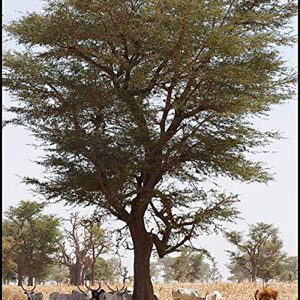
Anna tree / Anna boom
Anna tree / Anna boomA fast-growing tree with a greenish grey to whitish bark. The foliage is also green to grey in colour. Interestingly enough, the Anna tree loses its thorns when it matures into an adult tree – making it a good garden tree!
Botanical Name:
Faidherbia albeda
Did you know?
The pods are an important source of food to livestock and game in the ry season.

Red ivory / Rooi ivoor
Red ivory / Rooi ivoorThis medium-sized and neatly shaped tree normally grows in groups with other trees and is very attractive to birds. The leaves are glossy dark green above and pale green below. It’s generally a smaller tree than the berchemia discolor with smaller leaves and reddish fruit.
Botanical Name:
Berchemia zeyheri
Did you know?
The delicious fruits are eaten fresh. They may be stored in containers and the sticky sweet mass may still be edible after several months.
