

Matumi / Mingerhout

Matumi / Mingerhout
A full grown matumi is something to behold! The trunk is tall and straight and the crown rather narrow. If in optimal conditions such as a warm climate and plenty of water a matumi will grow fairly quickly.
Botanical Name:
Breonadia salicina
Did you know?
Matumi’s twigs are used as toothbrushes in West Africa.
Related products

Forest elder / Bosvlier
Forest elder / BosvlierA small tree ideal as a focal point in the garden or it makes a attractive street tree. A lovely dense and rounded crown is often evident, contributing greatly to the visual appeal of the species.
Botanical Name:
Nuxia floribunda
Did you know?
The flowers attract a host of insects. The abundant supply of nectar makes it a good honey tree.
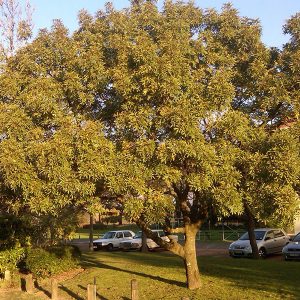
Cape ash / Kaapse essenhout
Cape ash / Kaapse essenhoutThis is a medium to large attractive tree that has been used as a street tree in many towns and cities of South Africa. It is also ideal for spaces where you need to create a canopy in a relatively short space of time. Its crown is rounded and autumn foliage yellow or reddish.
Botanical Name:
Ekebergia capensis
Did you know?
The fruit is enjoyed by an array of game, from all kinds of bird species to bushbuck and baboons.
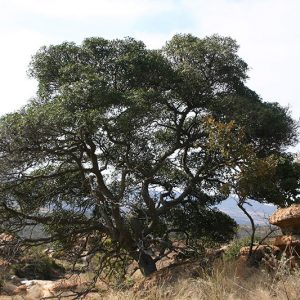
Red milkwood / Moepel
Red milkwood / MoepelA medium sized decorative tree that has a spreading, densely rounded crown. It has the potential to make an excellent evergreen garden specimen for larger gardens, parks and golf courses. This tree casts a deep shade, which offers a cool escape from the hot African sun.
Botanical Name:
Mimusops zeyheri
Did you know?
The Transvaal red milkwood has gained its popularity with people, birds as well as monkeys and baboons through its tasty fruit which are sweet and high in vitamin C.

Silky thorn / Sydoring
Silky thorn / SydoringSuitable for medium-sized gardens – the silky thorn with red bark on the young stems glows in the sunlight while the mature bark has dark brown rough strips with a red background. This beautiful Acacia attracts birds, insects and butterflies besides making a wonderful garden plant.
Botanical Name:
Vachellia rehmanniana
